
How to Submit to Academic Conferences in 2025
Submitting your research to academic conferences in 2024 is an excellent way to enhance your academic profile and engage with the wider research community. This step-by-step guide will walk you through the essential aspects of the submission process.
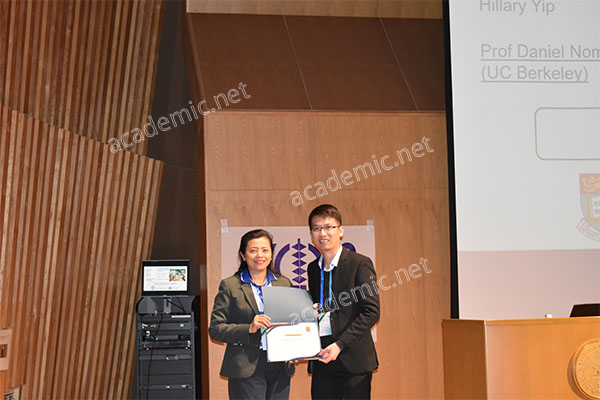
The first step is to conduct a comprehensive search for relevant conferences. Look for conferences that align with your research area and interests. Utilize academic databases, institutional websites, and specialized platforms like Academic.net. These platforms often provide detailed information about conference themes, submission deadlines, and requirements.
Once you've identified a suitable conference, carefully read the submission guidelines. Pay close attention to the formatting requirements, such as font size, line spacing, and margin settings. The paper's structure, including the abstract length and the organization of sections like introduction, methodology, results, and conclusion, is also crucial. Make sure your research fits within the scope of the conference's theme.
Next, focus on preparing a high-quality abstract. The abstract should concisely summarize the key points of your research, highlighting its significance and novelty. It serves as the first impression of your work and can determine whether your full paper will be considered. Use clear and precise language, and avoid jargon that might be unfamiliar to a broad audience.
After finalizing the abstract, start working on the full paper. Ensure that your research is well-supported by evidence, and your arguments are logical and coherent. Cite relevant literature and previous research to place your work in context. Edit and proofread your paper multiple times to eliminate errors and improve its readability.
When it's time to submit, follow the specified submission process. This may involve uploading your paper through an online portal or sending it via email. Double-check that all the required files and information, such as author details and contact information, are included.
Finally, keep track of the submission status. Some conferences provide a tracking system, while others may notify you via email. If your paper is accepted, congratulations! Prepare for the conference presentation by rehearsing and ensuring you can effectively communicate your research to the audience. If it's rejected, don't be discouraged. Use the feedback provided to improve your work and consider submitting it to other suitable conferences.
In summary, submitting to academic conferences in 2024 requires careful attention to detail, from finding the right conference to preparing a top-notch submission. By following these steps, you can increase your chances of successfully presenting your research on a global academic stage.