
Explore Cutting-Edge Research: Submit Your Work to Leading Hydraulic Engineering Conferences
Advancing Hydraulic Engineering: Why Presenting at Conferences Matters
Hydraulic engineering remains a cornerstone of sustainable infrastructure development, addressing challenges like water resource management, flood mitigation, and renewable energy systems. For researchers and practitioners, sharing findings at specialized conferences is critical to driving innovation. These events provide a platform to exchange knowledge, collaborate with peers, and showcase breakthroughs in fluid dynamics, coastal engineering, and smart water technologies. Submitting a compelling Call for Papers (CFP) ensures your work reaches influential audiences and garners recognition.
Academic.net connects scholars with premier engineering conferences, offering tools to refine proposals and align submissions with emerging trends. Whether exploring AI-driven hydraulic modeling or eco-friendly dam designs, presenting at these forums amplifies your impact.
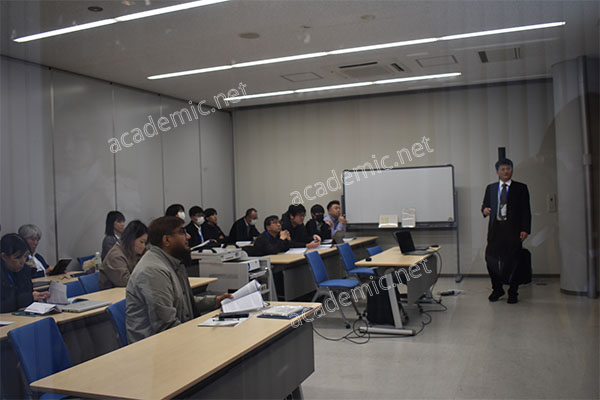
Key Trends Shaping Hydraulic Engineering in 2024
The field is evolving rapidly, with conferences prioritizing themes like climate-resilient infrastructure, digital twin simulations, and sustainable sediment transport solutions. Recent advancements in computational hydraulics and IoT-enabled monitoring systems are also gaining traction. By aligning your CFP with these topics, you position your research at the forefront of industry discourse.
For instance, topics such as decentralized water treatment systems or adaptive flood-risk frameworks are attracting interdisciplinary attention. Academic.net’s curated resources help researchers identify high-demand themes and structure proposals that resonate with conference committees.
How to Optimize Your CFP Submission for Success
Crafting a standout CFP requires clarity, relevance, and technical rigor. Start by articulating the problem statement, methodology, and unique contributions of your work. Emphasize practical applications—conference organizers prioritize studies with real-world implications. Data-driven analyses, case studies, and cross-disciplinary approaches often stand out.
Additionally, leverage Academic.net’s submission guides to avoid common pitfalls, such as vague abstracts or insufficient literature reviews. Their platform provides templates and feedback tools to refine your proposal’s structure and technical depth.
Why Academic.net is Your Partner in Academic Dissemination
Navigating the conference landscape can be daunting, but Academic.net simplifies the process. From identifying suitable events to polishing your submission, their services bridge the gap between research and recognition. Explore their database of engineering conferences, access peer-reviewed publication opportunities, and join a network of global experts.
By submitting your hydraulic engineering research through Academic.net, you gain visibility among policymakers, industry leaders, and academic pioneers. Don’t miss the chance to contribute to a field shaping the future of water security and environmental sustainability.
Final Call: Transform Your Research into Impactful Contributions
The hydraulic engineering community thrives on collaboration and innovation. Submitting a well-crafted CFP not only elevates your professional profile but also accelerates the adoption of transformative solutions. Visit Academic.net today to explore upcoming opportunities, refine your proposal, and join the vanguard of engineering excellence.