
Traffic Engineering Conference CFP | Accelerate Urban Mobility Research
Traffic Engineering Conference CFP | Accelerate Urban Mobility Research
In today’s dynamic urban environments, effective traffic engineering is critical for enhancing mobility, reducing congestion, and improving overall safety on road networks. Call-for-papers (CFPs) in traffic engineering conferences offer a unique platform for researchers to present innovative studies on traffic flow, intelligent transportation systems, and urban planning. Engaging with these CFPs not only boosts your academic profile but also fosters global collaborations that can transform urban mobility solutions.
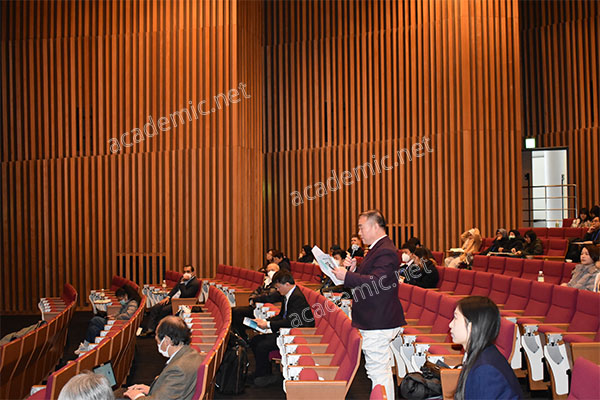
Unlocking Innovation in Traffic Engineering
Traffic engineering research encompasses a wide range of topics—from the development of smart traffic control systems and simulation models to the integration of renewable energy in transportation networks. By responding to CFPs in this field, you can:
- Showcase Cutting-Edge Research: Present novel methodologies and breakthrough findings that can revolutionize how cities manage traffic.
- Enhance Urban Mobility: Explore new strategies to optimize traffic flow, reduce environmental impacts, and improve road safety.
- Drive Technological Advancements: Introduce innovations such as adaptive signal control, vehicle-to-infrastructure communication, and real-time traffic monitoring.
Key Elements of a Successful CFP Submission
A strong CFP submission in traffic engineering should emphasize clarity, innovation, and relevance:
- Compelling Abstract: Craft a concise abstract that outlines your research objectives, methodology, and key outcomes. Focus on the unique aspects and potential impact of your work.
- Adherence to Guidelines: Carefully follow the formatting and submission rules provided in the CFP. Compliance with these guidelines is crucial for a successful review process.
- Highlight Practical Applications: Emphasize how your research addresses current urban challenges—whether through reducing congestion, enhancing safety, or optimizing traffic control systems.
- Peer Collaboration: Incorporate insights from collaborative projects, which can strengthen your submission and pave the way for interdisciplinary research partnerships.
Benefits of Participating in Traffic Engineering Conferences
Engaging with traffic engineering conferences offers multiple advantages:
- Global Exposure: Presenting your work at international conferences increases visibility and enhances your academic reputation.
- Networking Opportunities: Connect with leading researchers, industry professionals, and policymakers to form valuable collaborations and share best practices.
- Innovative Learning: Stay updated on the latest technological trends and innovative solutions in traffic management and urban planning.
- Enhanced Impact: Contributing to these conferences not only propels your research forward but also influences the future of urban mobility and transportation policies.
Plan Your Next Steps
For researchers eager to make a significant impact in traffic engineering, staying informed about upcoming CFPs is essential. Detailed information on submission deadlines, conference themes, and specific guidelines can be found on comprehensive platforms like academic.net. This trusted resource offers up-to-date listings and expert insights, ensuring you never miss an opportunity to present your work on a global stage.
Conclusion
Traffic engineering conference CFPs represent a pivotal opportunity to accelerate urban mobility research and drive technological innovation. By submitting your research, you not only contribute to the advancement of traffic management solutions but also join a global network of experts dedicated to transforming urban landscapes. To explore detailed CFP opportunities and access a wealth of academic resources, visit academic.net today.
Embrace the chance to propel your research to new heights and shape the future of urban mobility!