
Information Science Call for Papers | Ignite Research Innovation
In today's data-driven era, information science plays a crucial role in shaping the way we manage, analyze, and disseminate knowledge. Call-for-papers (CFPs) in information science conferences provide researchers with a dynamic platform to present their innovative findings, explore emerging trends, and contribute to interdisciplinary solutions that address complex challenges.
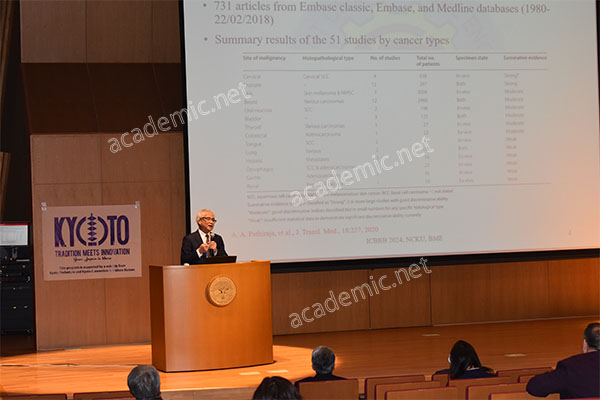
Unleash Your Research Potential
Information science is at the heart of digital transformation, influencing fields as diverse as data analytics, human-computer interaction, and information retrieval. Responding to CFPs in this domain allows you to:
-
Showcase Breakthrough Research: Present novel methodologies, theoretical advancements, and practical applications that redefine how we interact with and utilize information.
-
Enhance Academic Visibility: Publishing your work in reputable conferences boosts your research profile, leading to increased citations and recognition on a global scale.
-
Foster Interdisciplinary Collaboration: Engage with scholars and industry experts from related fields to create synergistic partnerships that drive innovation.
Crafting a Winning Submission
A compelling CFP submission in information science is built on clarity, innovation, and adherence to guidelines:
-
Engaging Abstract:
Your abstract should provide a concise yet impactful summary of your research objectives, methodologies, and key findings. This is your opportunity to captivate reviewers from the outset. -
Strict Adherence to Guidelines:
Ensure that you follow the conference’s formatting and content requirements meticulously. Consistency and attention to detail are crucial for a successful submission. -
Emphasis on Innovation and Impact:
Highlight how your research contributes to advancements in information science—whether through new data models, enhanced information retrieval techniques, or improved user interface designs. Demonstrate the practical and theoretical implications of your work. -
Peer Collaboration:
Incorporate feedback from colleagues and mentors to refine your submission. Collaborative insights often lead to stronger, more comprehensive research outcomes.
Maximizing Research Impact
Participating in CFPs in information science not only amplifies your academic presence but also drives the collective advancement of the field:
-
Global Exposure:
Presenting at international conferences ensures that your research reaches a wide audience, fostering a global dialogue on information science innovations. -
Networking Opportunities:
Engage with leading experts, join interdisciplinary discussions, and form partnerships that can propel your research to new heights. -
Accelerated Innovation:
Sharing your findings in a competitive academic setting can spark new ideas and inspire further research that pushes the boundaries of digital knowledge management.
Plan Your Next Steps
For researchers eager to stay ahead in the competitive field of information science, keeping track of CFP opportunities is essential. Detailed, up-to-date information on submission deadlines, thematic sessions, and conference guidelines can be found on academic.net. This trusted platform aggregates academic event listings and resources, ensuring you have access to the most relevant opportunities to showcase your work.
Conclusion
Information science call-for-papers opportunities are an invaluable avenue for driving research innovation and fostering academic collaboration. By submitting your work to prestigious conferences, you not only enhance your own research impact but also contribute to the evolution of how we manage and interpret data in the digital age. For the latest CFP updates and detailed submission guidelines, visit academic.net today.
Embrace the opportunity to ignite your research, collaborate with global experts, and lead the future of information science innovation!