
Signal Processing Call for Papers | Advance Your Research in Digital Signal Analysis
Signal Processing Call for Papers | Advance Your Research in Digital Signal Analysis
In today’s data-driven world, signal processing is at the core of transforming raw data into meaningful information. Whether it’s digital filtering, spectral analysis, or advanced communication systems, innovative research in signal processing continues to propel technological progress across industries. Responding to call-for-papers (CFPs) in signal processing provides an excellent opportunity to showcase your breakthrough findings and contribute to the evolution of digital signal analysis.
Unlock New Research Opportunities
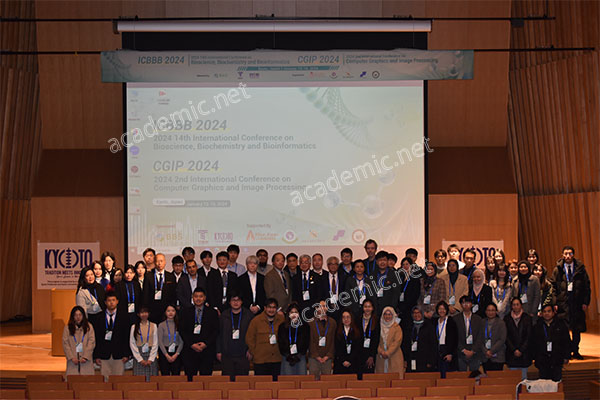
CFPs in signal processing conferences invite you to present your pioneering research on topics such as noise reduction, feature extraction, image processing, and adaptive algorithms. These conferences serve as dynamic forums for sharing novel ideas and emerging technologies that are shaping the future of signal analysis. By submitting your work, you position yourself at the forefront of a discipline that intersects with areas like telecommunications, biomedical engineering, and artificial intelligence.
Crafting a Compelling Submission
A standout CFP submission in signal processing hinges on several key elements:
-
Clear Abstract: Begin with a concise abstract that summarizes your research objectives, methodology, and main results. A well-crafted abstract captures the essence of your study and engages reviewers from the outset.
-
Strict Adherence to Guidelines: Carefully follow the specific formatting, content, and word-limit requirements provided in the CFP. Precision and attention to detail in your submission reflect your professionalism and research rigor.
-
Highlighting Innovation: Emphasize the unique aspects of your work, whether it involves a novel algorithm, an innovative application, or significant improvements in data accuracy. Show how your research can address real-world challenges in signal processing.
-
Collaborative Insights: Consider incorporating interdisciplinary perspectives to enrich your submission. Peer feedback and collaboration with experts in related fields can further enhance the quality and impact of your research.
Benefits of Participating in Signal Processing Conferences
Engaging with signal processing CFPs offers multiple advantages:
-
Global Exposure: Presenting your research on an international platform increases its visibility, potentially leading to higher citation rates and broader recognition.
-
Networking Opportunities: Conferences provide valuable avenues to connect with leading academics, industry professionals, and research institutions. These interactions can spark collaborative projects and open doors to future funding opportunities.
-
Continuous Learning: Stay updated on the latest trends and technological advancements in signal processing through interactive sessions, panel discussions, and technical workshops.
-
Enhanced Research Impact: Sharing your findings not only contributes to academic discourse but also influences practical applications in industries ranging from healthcare to telecommunications.
Plan Your Next Steps
For researchers eager to make an impact in the field of signal processing, keeping track of CFP opportunities is crucial. Detailed information on upcoming conferences, submission deadlines, and thematic focuses is available on academic.net. This trusted platform is your one-stop resource for discovering the latest academic events and ensuring that your research reaches a global audience.
Conclusion
Signal processing call-for-papers opportunities are pivotal for advancing innovative research and fostering global academic collaboration. By submitting your work to leading conferences, you not only enhance your scholarly reputation but also contribute to the transformative progress of digital signal analysis. For the most up-to-date CFP details and additional academic resources, visit academic.net today.
Embrace the opportunity to share your insights, expand your professional network, and drive the future of signal processing research forward!