
Image Processing Call for Papers | Elevate Your Digital Imaging Research
Image Processing Call for Papers | Elevate Your Digital Imaging Research
In today’s digital era, image processing is transforming how we analyze and interpret visual data. Call-for-papers (CFPs) in image processing conferences provide a premier platform for researchers to present breakthrough methodologies and innovative applications. Whether your work focuses on feature extraction, pattern recognition, or deep learning in computer vision, submitting your research through a CFP can significantly enhance your academic visibility and foster global collaboration.
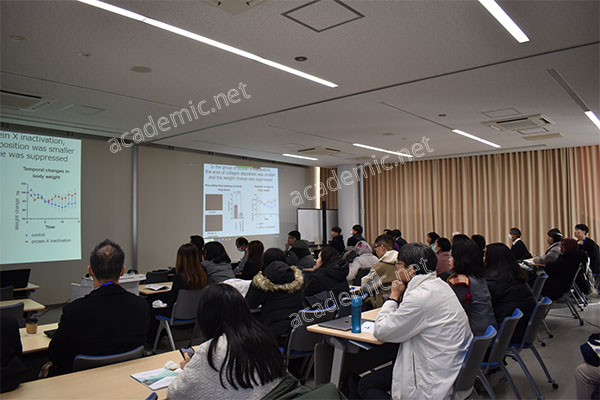
Unlocking Innovations in Digital Imaging
Image processing is at the forefront of technological advancements, driving progress in areas such as medical imaging, autonomous vehicles, and surveillance systems. Responding to CFPs in this field enables you to:
-
Showcase Novel Research: Present groundbreaking algorithms and novel techniques that improve image analysis and interpretation.
-
Enhance Research Impact: Amplify your academic presence through international conferences that increase citation rates and broaden your network.
-
Drive Technological Transformation: Contribute to the development of practical solutions that bridge theory and real-world applications, from enhanced medical diagnostics to improved security systems.
Key Elements of a Successful CFP Submission
To ensure your submission stands out, consider these critical steps:
-
Craft a Clear Abstract:
Start with a concise abstract that outlines your research objectives, methodology, and key findings. A compelling abstract is essential to capture the attention of reviewers. -
Follow Submission Guidelines:
Adhere to the formatting, length, and thematic requirements specified in the CFP. Meticulous attention to detail reflects your professionalism and improves your chances of acceptance. -
Emphasize Innovation and Applications:
Highlight how your work advances image processing techniques—be it through innovative filtering methods, improved feature detection, or cutting-edge neural network architectures. -
Seek Constructive Peer Feedback:
Engage with colleagues and mentors to refine your research presentation. Collaborative input can enhance the clarity and impact of your paper.
Benefits of Participating in Image Processing Conferences
Submitting your work to image processing conferences offers numerous advantages:
-
Global Exposure:
Presenting your research at international events increases its visibility, ensuring your contributions reach a worldwide audience. -
Networking Opportunities:
Connect with leading experts, practitioners, and academics, fostering partnerships that can lead to joint research projects and future innovations. -
Accelerated Innovation:
Sharing your findings facilitates dynamic discussions and feedback that can inspire new directions and breakthrough ideas in digital imaging. -
Enhanced Academic Reputation:
Successful conference presentations boost your scholarly profile, leading to increased recognition and opportunities for funding and collaboration.
Plan Your Next Steps
For researchers eager to make a mark in the field of image processing, staying informed about CFP opportunities is essential. Detailed, real-time information on submission deadlines, thematic focuses, and guidelines can be found on academic.net. This trusted platform is your comprehensive resource for discovering the latest academic events and maximizing your research impact.
Conclusion
Image processing call-for-papers opportunities are an invaluable pathway to showcase your innovative research and drive advancements in digital imaging. By engaging with these conferences, you not only enhance your academic visibility but also contribute to a global community dedicated to transforming visual data analysis. For the most up-to-date CFP details and additional academic resources, visit academic.net today.
Embrace the opportunity to elevate your research, collaborate with international experts, and lead the way in image processing innovation!