
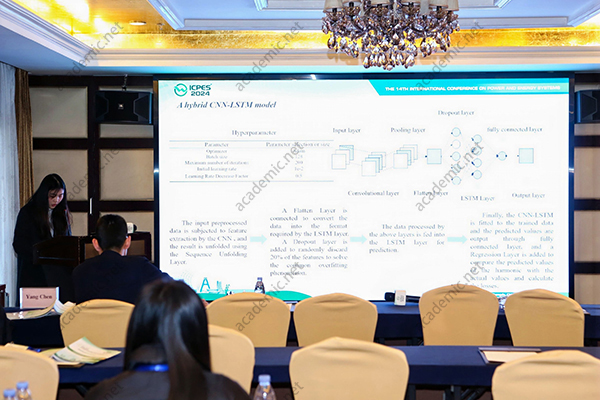
What Are Research Conferences?
A research conference is an organized event where researchers present their latest studies, engage in discussions, and exchange ideas with colleagues. These conferences can be focused on specific disciplines, such as engineering, medicine, or social sciences, or be interdisciplinary, bringing together diverse expertise under one roof.
Benefits of Participating in Research Conferences
1. Showcase Your Work
Presenting your research allows you to gain recognition, attract feedback, and highlight your expertise on a global stage.
2. Build Your Network
Conferences create opportunities to meet fellow researchers, industry leaders, and potential collaborators, expanding your professional connections.
3. Stay Updated on Trends
Listening to keynote speakers and attending sessions helps you stay informed about the latest theories, technologies, and methodologies in your area.
4. Boost Your Academic Profile
Conference presentations and published proceedings add valuable credentials to your academic portfolio, improving your visibility and credibility.
Types of Research Conferences
-
International Conferences: Large-scale events attracting participants from around the world.
-
Regional or National Conferences: Focused on specific countries or regions, often more accessible to early-career researchers.
-
Specialized Workshops and Symposia: Smaller, topic-focused events designed for deep dives into niche areas.
Preparing for a Research Conference
-
Choose conferences aligned with your research interests and career goals.
-
Prepare a clear, engaging presentation or poster.
-
Practice effective communication to explain complex ideas concis