
Effective Ways to Interact at Academic Conferences
Attending an academic conference isn’t just about listening to papers—it's a vital opportunity to build relationships, share ideas, and actively engage with the academic community. Whether you're a first-time attendee or an experienced researcher, here are proven strategies to help you interact effectively during academic conferences.
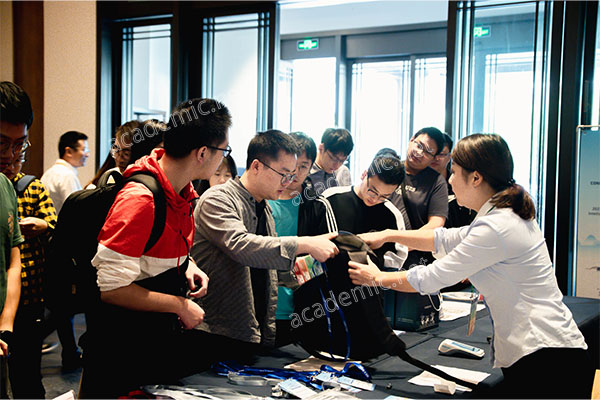
1. Engage During Q&A Sessions
After each presentation or panel, use the Q&A session to:
-
Ask clear, relevant questions based on the presentation
-
Provide thoughtful feedback or ask for clarification
-
Connect ideas from different talks to spark discussion
This shows your attentiveness and contributes to the academic exchange.
2. Participate in Workshops and Roundtables
Workshops and small group discussions are ideal for hands-on interaction. To make the most of them:
-
Share your perspective when invited
-
Offer examples or case studies from your research
-
Be open to differing viewpoints
Smaller settings make it easier to have deeper academic conversations.
3. Approach Speakers After Their Talks
If a presentation resonated with you, approach the speaker afterward:
-
Introduce yourself briefly
-
Mention something specific from their presentation
-
Ask a follow-up question or share your own related research
This can lead to longer conversations or even future collaborations.
4. Network During Breaks and Social Events
Use coffee breaks, meals, and evening receptions to:
-
Meet new people in your field
-
Exchange contact information
-
Ask others about their research or conference experience
Prepare a short self-introduction (your name, institution, and research area) to start conversations smoothly.
5. Use Conference Apps and Platforms
Many conferences use apps or online platforms that allow attendees to:
-
Join discussion threads
-
Connect with speakers and panelists
-
Schedule one-on-one meetings or attend virtual networking sessions
Participate actively in digital spaces to extend your reach beyond in-person events.
6. Join Panel Discussions or Volunteer Roles
If the opportunity arises, consider joining a panel, being a session chair, or volunteering. These roles:
-
Increase your visibility
-
Help you connect with organizers and presenters
-
Show initiative and leadership within the academic community
7. Follow Up After the Conference
After the event:
-
Send emails or LinkedIn requests to people you met
-
Mention what you discussed or appreciated from their talk
-
Consider sharing your experience or key takeaways on academic.net or other scholarly platforms
Sustaining these connections turns short conversations into long-term academic relationships.
Conclusion
Interacting at academic conferences requires preparation, openness, and initiative. Whether asking questions, networking during breaks, or following up online, each interaction builds your academic presence. For more tips on making the most of academic events and finding high-quality conferences worldwide, visit academic.net—your reliable source for academic conference engagement.