
Understanding the Costs of International Academic Conferences
Participating in international academic conferences is an excellent opportunity for scholars to present research, network with peers, and stay updated on the latest developments. However, it’s important to plan for the various costs involved. Knowing the typical expenses helps researchers make informed decisions and apply for funding or scholarships accordingly.
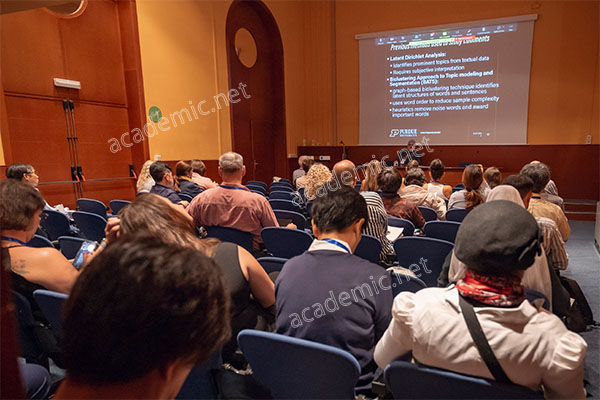
1. Registration Fees
The registration fee is the primary cost associated with any academic conference. It grants access to sessions, keynote talks, networking events, and sometimes meals or conference materials. The price can vary widely depending on the field, hosting organization, and location—ranging from $100 to over $1,000. Early-bird rates are usually available for those who register in advance.
2. Travel and Transportation
Attending an international event requires transportation planning. This includes airfare, airport transfers, local transit, and sometimes visa application costs. Booking flights early and choosing cost-effective routes can significantly reduce this expense. Researchers traveling from developing countries may also seek support from their institutions or sponsors.
3. Accommodation Costs
Lodging can be another major expense. Conferences often provide hotel recommendations and group rates, but these are not always the cheapest options. Some attendees opt for budget hotels, shared rooms, or academic housing to reduce costs. Staying close to the venue can save both time and money on commuting.
4. Meals and Daily Expenses
While some meals may be included in the registration, participants should still budget for additional food and beverages during their stay. This includes dining out, snacks, and any hospitality-related costs during networking events or informal meetups.
5. Publication and Presentation Fees
In some cases, especially when submitting a paper for presentation, there may be an extra fee for publication in the conference proceedings or affiliated journals. These charges ensure your research is indexed and archived but should be considered when budgeting.
6. Optional Workshops or Tours
Many international conferences offer optional add-ons such as workshops, training sessions, or cultural tours. These are not mandatory but can add great value to your experience—and cost. Always review the full program before deciding which events to join.
Budgeting Wisely for Global Conference Participation
Successful academic travel requires strategic financial planning. Scholars are encouraged to:
-
Apply for institutional or government funding
-
Choose conferences with flexible participation options (online or hybrid)
-
Explore early-bird or group discounts
-
Use academic.net to discover cost-effective, high-quality conferences worldwide
Whether you're a student or a seasoned researcher, understanding and managing conference costs is key to making the most of your international academic journey. For curated, reliable listings of global academic events, visit academic.net and plan your participation with confidence.