
Are Conference Papers the Same as Academic Journal Articles?
Are Conference Papers the Same as Academic Journal Articles?
Many early-career researchers ask whether a conference paper holds the same weight as a journal article. While both are important forms of academic communication, they serve different purposes and are not considered the same in terms of structure, recognition, and publication standards.
Understanding their distinctions helps researchers choose the right outlet for their work and build a balanced academic portfolio.
1. Purpose and Scope
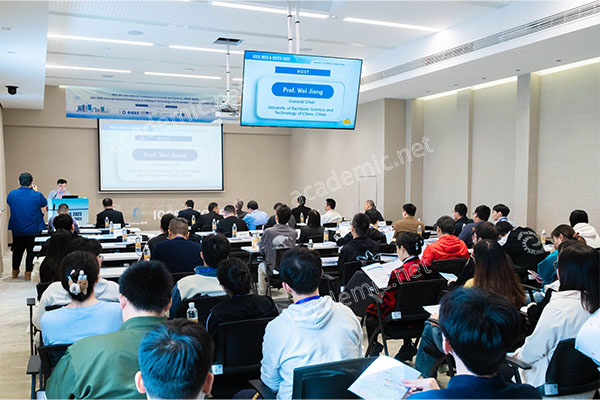
Conference Papers are typically shorter and designed for quick dissemination of new or ongoing research. They are presented at academic conferences, allowing for immediate peer feedback, discussion, and collaboration opportunities.
Journal Articles, on the other hand, are usually more comprehensive and detail-rich. They represent finalized research, offering in-depth analysis, extensive data, and often a more rigorous theoretical framework.
2. Review and Publication Standards
Most conference papers undergo a peer review process, but the standards and depth of review can vary. In some cases, only abstracts are reviewed; in others, full papers are evaluated before acceptance. Accepted papers may appear in conference proceedings, which are sometimes indexed by databases like EI Compendex or Scopus.
Journal articles usually undergo a double-blind peer review process with multiple revision rounds. The publication timeline is longer, but the scrutiny is often more thorough, contributing to the journal’s academic impact and prestige.
3. Academic Recognition
In many academic systems, journal publications are weighted more heavily than conference papers when it comes to promotions, funding applications, and research assessments. However, in fast-evolving fields like computer science or engineering, top-tier conference papers are highly respected and sometimes regarded on par with journal publications.
The academic value of a paper often depends on the reputation of the conference or journal and the indexing services it appears in.
4. Copyright and Future Publishing
Conference papers can sometimes be expanded and submitted to journals, provided the new version includes significant updates and meets the journal's originality requirements. However, duplicate submission without clear distinction can lead to ethical issues.
5. Choosing the Right Platform
Whether you’re looking to share early findings at a conference or submit a mature study to a journal, it’s important to understand where your research fits best. Researchers can explore high-quality academic events and track submission details at academic.net—a reliable platform for academic planning and publication strategy.
Conclusion
Conference papers and journal articles are both critical to the academic publishing landscape, but they differ in scope, format, and recognition. Knowing when and where to submit your research can strengthen your academic profile. Use academic.net to identify the right venue and timeline for your next publication journey.