
Do Conference Papers Count as Official Publications?
For many researchers, especially those just starting their academic careers, publishing a conference paper is often the first step toward gaining visibility and credibility in their field. But a common question arises: Does a conference paper actually count as a publication? The answer is yes—but with important nuances.
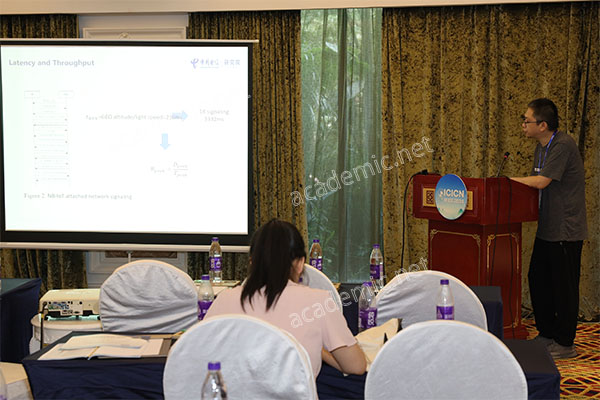
1. Yes, Conference Papers Are Publications
Conference papers are indeed considered a form of academic publication. When accepted and published in official conference proceedings—especially those with ISBN or DOI—they are part of the formal scholarly record. These proceedings may be available in digital libraries or indexed by major databases like EI Compendex, Scopus, or Web of Science, depending on the conference.
This means that your research is publicly accessible, citable, and contributes to the broader academic conversation.
2. Types of Conference Publications
Not all conference papers are published the same way:
-
Full papers in proceedings: These are most often recognized as publications, especially if indexed.
-
Abstract-only submissions: These may be presented but not always published formally.
-
Posters or presentations: Unless archived in a digital library or proceedings, they might not count as formal publications.
To ensure your work qualifies as an academic publication, check whether the conference offers proceedings with identifiable publication standards.
3. How Institutions View Conference Publications
Academic institutions and funding agencies often distinguish between journal publications and conference publications. While journals are typically ranked higher due to their depth and peer review rigor, conference papers still add significant value—particularly in disciplines like engineering, computer science, and information technology.
In some evaluations, conference publications are counted toward publication requirements, especially when they are indexed and peer-reviewed.
4. Advantages of Conference Publishing
Publishing in a conference provides several key benefits:
-
Faster turnaround time compared to journals
-
Live feedback and exposure at the event
-
Opportunities for collaboration and networking
-
Stepping stone to future journal publications
Researchers often revise and expand their conference papers into journal articles, making conferences a strategic part of the publishing process.
5. Discover Reputable Conferences
To make your publication efforts count, always choose conferences that are academically recognized and have clear publishing channels. You can explore trustworthy and high-impact academic events by visiting academic.net, a platform dedicated to helping scholars find suitable conferences worldwide.
Final Thoughts
Yes, conference papers are a recognized form of academic publication—especially when officially included in conference proceedings. They serve as both communication tools and academic milestones. For researchers aiming to build a strong publishing track record, selecting reputable conferences through academic.net is a smart first move toward academic growth.