
Do Academic Conferences Count as Research Achievements?
In the academic world, showcasing research achievements is vital for career growth, funding, and reputation. Many scholars, especially early-career researchers and graduate students, ask: Does participating in an academic conference qualify as a research achievement? The answer is yes—academic conferences are a recognized and valuable form of scholarly contribution.
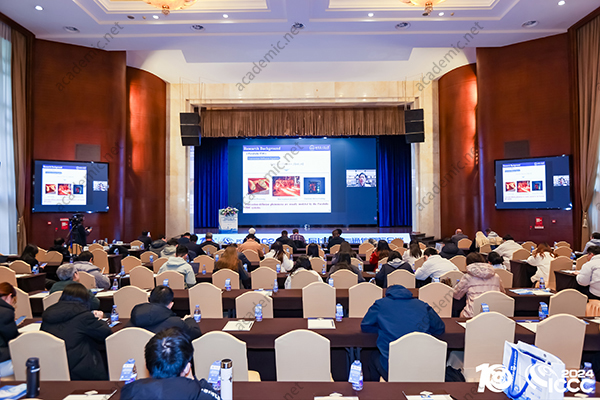
Let’s explore how and why they matter, and how to make the most of them in your academic record.
1. Conference Papers Are Valid Research Outputs
Submitting a paper to a conference and having it accepted—especially through peer review—counts as a formal publication in many academic fields. When included in official conference proceedings with an ISBN or DOI, your work becomes:
-
Citable by others
-
Indexed in academic databases like EI, Scopus, or Web of Science
-
Part of your personal research output list
While some institutions weigh journal publications more heavily, conference papers are widely accepted as legitimate research contributions.
2. Presentations Demonstrate Research Engagement
Even without a full paper, presenting your research at a conference is a form of recognized academic activity. Oral presentations, poster sessions, and panel discussions show that your research is active, relevant, and contributes to current scholarly conversations.
Participation also highlights your ability to:
-
Communicate findings to a professional audience
-
Engage in peer feedback and collaboration
-
Stay updated with trends and developments in your field
These are important qualities evaluated in academic resumes, grant applications, and tenure reviews.
3. Conferences Support Career Advancement
Conference involvement is often considered in:
-
Academic job applications (CVs and resumes)
-
Graduate school evaluations
-
Research grant proposals
-
Faculty promotion and tenure decisions
While one conference paper may not carry the same weight as a top-tier journal publication, a consistent record of conference activity reflects ongoing scholarly productivity.
4. Some Fields Value Conferences Highly
In disciplines such as computer science, engineering, and data science, leading conferences are considered as impactful as high-ranking journals. Top-tier conferences in these fields involve rigorous review and competitive acceptance, making them essential to building a respected academic profile.
5. Track and Strengthen Your Research Record
To maximize the value of academic conferences:
-
Choose events with strong reputations and indexing
-
Always follow up with formal proceedings publication if available
-
Maintain a record of accepted papers, presentations, and abstracts
-
Use platforms like academic.net to find high-quality, field-specific conferences that align with your research goals
Final Thoughts
Yes, academic conferences are absolutely considered research achievements. Whether you’re publishing a full paper, giving a presentation, or participating in a panel, your involvement reflects active research engagement. By selecting the right opportunities through academic.net, you can build a strong academic track record and gain recognition in your field.