
Are Conference Papers Considered Publications in Academia?
In academic research, the status of conference papers often sparks debate among students, researchers, and faculty. Many wonder: Are conference papers considered publications? The answer lies in understanding the role of academic conferences, the structure of scholarly output, and the norms of specific disciplines. Below, we break down this question to provide a clearer perspective for those navigating the world of academic publishing.
What Is a Conference Paper?
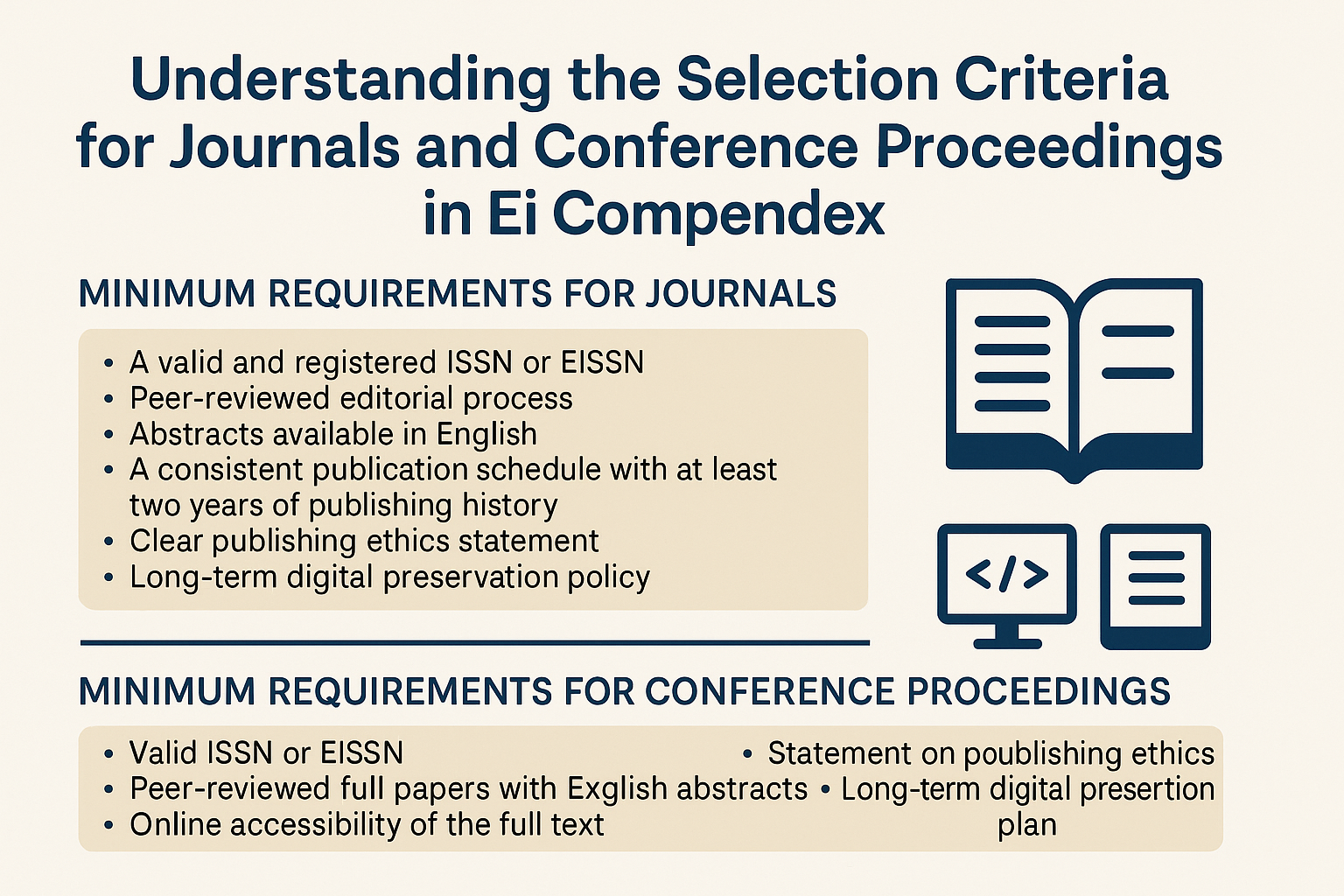
A conference paper is a research work submitted to an academic conference, usually involving a peer-review process. If accepted, it is either presented orally or as a poster during the event. Some conference papers are also published in official conference proceedings, which may be indexed in major databases like EI Compendex, Scopus, or IEEE Xplore.
Do Conference Papers Count as Publications?
Yes, in most cases, conference papers are considered publications. However, the recognition depends on:
-
Where the paper is published: Papers included in indexed conference proceedings are often treated as formal publications.
-
Disciplinary norms: Fields such as computer science and engineering highly value conference publications, sometimes more than journal articles. Other disciplines, like biology or sociology, might prioritize peer-reviewed journals.
-
Peer review quality: Conferences with a strict peer-review process add more weight to the publication's credibility.
-
Indexing and visibility: If the paper is indexed in databases such as EI or Scopus, it holds more academic value.
Academic Value of Conference Papers
Conference papers serve several purposes in a researcher's career:
-
Early dissemination of research: They allow scholars to share findings quickly.
-
Networking opportunities: Presenting at conferences connects researchers with global peers.
-
Research credibility: Indexed conference papers support CVs, grant applications, and academic promotions.
-
Feedback and refinement: Conferences offer constructive feedback that can improve the work before journal submission.
Are They Treated Like Journal Articles?
While conference papers are valid publications, they are generally considered:
-
Less comprehensive than full journal articles.
-
Preliminary versions of later journal submissions in some cases.
-
Faster to publish, offering quicker academic exposure.
Still, in fast-evolving fields like AI, software engineering, and data science, top-tier conferences rival high-impact journals in influence and prestige.
Should You Publish in Conferences?
If you're early in your research career or working in fields where conferences are a key platform, submitting to a reputable academic conference is a smart move. It offers both exposure and validation. For conferences with rigorous review processes and solid indexing, your work will be recognized as a legitimate academic publication.
Explore More Academic Publishing Insights
iconf.org helps researchers find high-quality academic conferences suitable for paper submissions, ensuring visibility and impact in scholarly communities.