
IEEE Indexed Journal Quality: What to Expect from IEEE Xplore Papers
For researchers, engineers, and academics in electrical engineering, computer science, and related technology fields, publications indexed by the Institute of Electrical and Electronics Engineers (IEEE) are synonymous with high quality and prestige. But what exactly makes an IEEE-indexed journal paper a mark of robust, impactful research?
This guide delves into the rigorous standards, comprehensive peer-review processes, and academic impact that characterize journal papers found within the IEEE Xplore Digital Library, helping you understand why they are so highly regarded in the global scientific community.
Understanding IEEE and Its Publishing Standards
IEEE is the world's largest technical professional organization dedicated to advancing technology for the benefit of humanity. Its extensive publishing arm is a core component of this mission, offering a vast collection of journals, magazines, conference proceedings, and standards.
When we talk about "IEEE-indexed journal papers," we are primarily referring to articles published in IEEE's own suite of journals and magazines, which are then made available through the IEEE Xplore Digital Library.
Factors Contributing to the High Quality of IEEE Journal Papers
Several key factors ensure the consistent high quality of research published in IEEE journals:
1. Rigorous Peer Review
-
Gold Standard: IEEE journals adhere to a rigorous, multi-stage peer-review process. Typically, this involves at least two, often three or more, independent expert reviewers for each submission.
-
In-Depth Scrutiny: Reviewers are specialists in the relevant sub-field and critically evaluate the paper for:
-
Novelty and Originality: Does the work present new ideas, methods, or results?
-
Technical Soundness: Is the methodology appropriate, are the experiments well-designed, and are the analyses correct?
-
Significance: Does the research make a meaningful contribution to the field?
-
Clarity and Presentation: Is the paper well-written, logically structured, and easy to understand?
-
Completeness: Is the argument fully developed, and are all claims supported by evidence?
-
-
Multiple Revisions: Most accepted papers undergo one or more rounds of revision based on reviewer and editor feedback, ensuring that only polished and high-quality work is ultimately published.
2. Esteemed Editorial Boards
-
Leading Experts: IEEE journal editorial boards are comprised of highly respected and accomplished researchers, academics, and industry professionals from around the globe.
-
Expert Guidance: These editors play a crucial role in maintaining quality by selecting appropriate reviewers, making tough editorial decisions, and providing guidance to authors.
3. High Impact Factors and Indexing
-
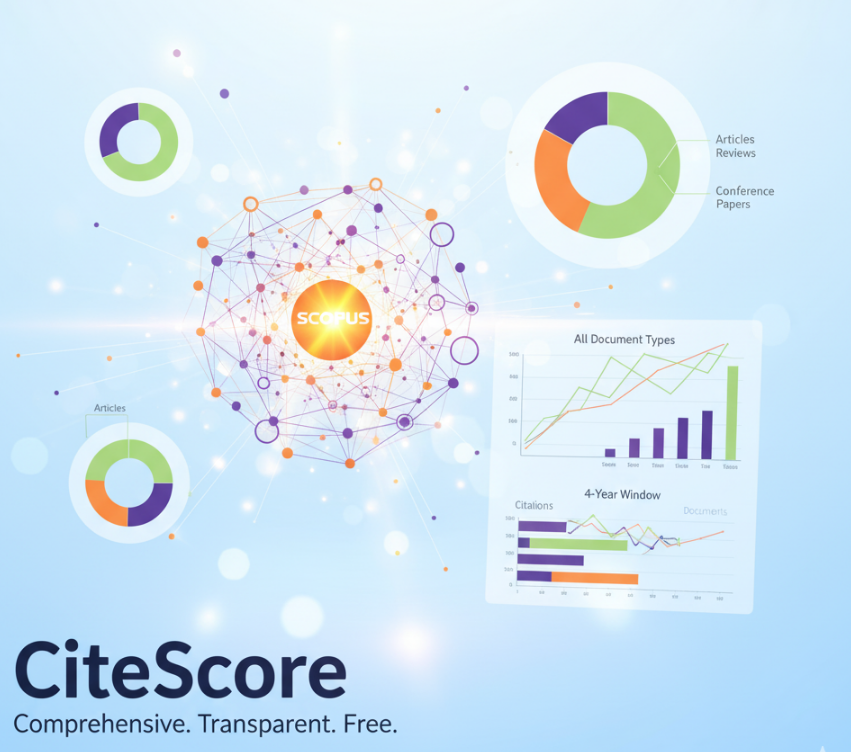
Leading Indexers: Most IEEE journals are indexed in major databases such as Web of Science (SCI/SCIE), Scopus, and EI Compendex. This rigorous third-party indexing further attests to their quality and academic standing.
-
Citation Impact: Many IEEE journals consistently have high Impact Factors (IFs), indicating that their published articles are frequently cited by other researchers, a strong measure of influence and quality.
4. Focus on Practical Relevance and Theoretical Foundations
-
Bridging Theory and Practice: IEEE journals often strike a balance between theoretical advancements and practical applications. This ensures that the published research is not only scientifically sound but also relevant to real-world engineering challenges.
-
Established Standards: As an organization that sets many industry standards, IEEE inherently fosters a culture of precision and reliability in its publications.
5. Global Reach and Visibility
-
Wide Dissemination: Papers published in IEEE journals benefit from the vast global reach of the IEEE Xplore Digital Library, making them accessible to millions of researchers worldwide. This high visibility is crucial for maximizing the impact of research.
Distinction from Conference Papers
While IEEE also publishes highly regarded conference proceedings, it's important to differentiate:
-
Journal papers represent more mature, comprehensive, and extensively peer-reviewed work, often expanding upon initial ideas presented at conferences.
-
Conference papers typically offer quicker dissemination of preliminary results or works-in-progress, and their review process, while rigorous, is generally less extensive than that of journals.
Conclusion: A Mark of Excellence
In conclusion, journal papers indexed by IEEE are widely recognized for their high quality, technical excellence, and significant contributions to their respective fields. The stringent peer-review process, the expertise of editorial boards, strong citation metrics, and the global reach of IEEE Xplore all combine to make an IEEE journal publication a robust indicator of impactful and reliable research. For researchers aiming to publish their most definitive and significant work in electrical engineering, computer science, and related disciplines, IEEE journals remain a top-tier choice.