
Top Open Artificial Intelligence Conferences: Research, Innovation & Community
The term "open AI conferences" can encompass several meanings: events that promote open-source AI development, conferences discussing the implications or research from the OpenAI organization, or simply highly accessible and inclusive events that cover a broad spectrum of AI topics. This guide will explore prominent conferences that embody these aspects, offering valuable opportunities for engagement in the AI world.
(Image Alt Text: A diverse group of researchers networking at an AI conference, with glowing data streams in the background, symbolizing collaboration and innovation.) (Image Filename: open-ai-conferences.png)
Understanding "Open" in AI Conferences
Before diving into specific events, it's helpful to clarify what "open" means in the context of AI conferences:
-
Open Source AI: Many conferences focus on research and development utilizing open-source AI frameworks (e.g., TensorFlow, PyTorch), open datasets, and open models. These events emphasize transparency, collaboration, and democratizing access to AI tools.
-
OpenAI (the organization): While OpenAI (the company behind ChatGPT, DALL-E) doesn't typically host large, multi-disciplinary public conferences under its own name, its research is frequently presented and discussed at major AI conferences globally. Specific workshops or invite-only events might occur.
-
Open Access & Inclusivity: Some conferences are "open" in the sense of being highly accessible, potentially offering virtual components, diverse representation, and welcoming a wide range of submissions from various academic and industry backgrounds.
Prominent Conferences in the Open AI Landscape
The following conferences are highly respected in the AI community and often feature open-source AI discussions, research from leading institutions (including potentially OpenAI), and a commitment to broad participation.
Core AI & Machine Learning Conferences
These are the absolute top-tier conferences that cover fundamental AI and machine learning research. They are excellent venues for open discussions and often feature presentations on open-source contributions.
-
NeurIPS (Neural Information Processing Systems): One of the largest and most prestigious conferences on machine learning and computational neuroscience. Highly competitive, but a primary venue for groundbreaking research, including work that often feeds into open-source projects.
-
Focus: Deep Learning, Reinforcement Learning, Probabilistic Methods, AI Theory.
-
Official Website:
https://neurips.cc/
-
-
ICML (International Conference on Machine Learning): Another premier machine learning conference, known for its rigorous peer review and broad coverage of ML sub-fields. Strong emphasis on theoretical foundations and empirical studies.
-
Focus: Learning Theory, Algorithms, Applications, Data Science.
-
Official Website:
https://icml.cc/
-
-
ICLR (International Conference on Learning Representations): Specifically focuses on deep learning, representation learning, and related areas. Known for its open review process, fostering transparency and broader engagement.
-
Focus: Deep Learning Architectures, Generative Models, Embeddings.
-
Official Website:
https://iclr.cc/
-
-
AAAI (AAAI Conference on Artificial Intelligence): A broad-scope AI conference covering the full range of AI research, from foundational theory to applications.
-
Focus: All aspects of AI, including knowledge representation, reasoning, robotics, vision, NLP.
-
Official Website:
https://www.aaai.org/Conferences/AAAI-26/
-
Specialized AI & Application Conferences
These conferences focus on specific sub-fields of AI, often featuring significant open-source contributions and discussions.
-
ACL (Association for Computational Linguistics) & EMNLP (Empirical Methods in Natural Language Processing): Leading conferences for Natural Language Processing (NLP), a key application area of AI, where open-source models and datasets are paramount.
-
Focus: Large Language Models, Text Generation, Machine Translation, Speech Recognition.
-
Official Websites:
https://www.aclweb.org/ https://emnlp.org/
-
-
CVPR (Computer Vision and Pattern Recognition) & ICCV (International Conference on Computer Vision): The top conferences for Computer Vision research, another field heavily reliant on and contributing to open-source tools and datasets.
-
Focus: Image Recognition, Object Detection, Generative AI for Vision, Robotics.
-
Official Websites:
https://cvpr.thecvf.com/ https://iccv.thecvf.com/
-
-
CoRL (Conference on Robot Learning): Focuses on the intersection of robotics and machine learning, a field with growing open-source hardware and software initiatives.
-
Focus: Reinforcement Learning for Robotics, Human-Robot Interaction, Robot Control.
-
Official Website:
https://www.robotlearning.org/
-
Conferences with a Strong Open Source or Community Focus
These events often have a direct emphasis on fostering an open community and democratizing AI.
-
FOSDEM (Free and Open Source Software Developers' European Meeting): While not exclusively AI, FOSDEM has dedicated tracks for AI, Machine Learning, and Data Science, with a strong focus on open-source implementations and community-driven projects.
-
Focus: Open Source AI frameworks, tools, and ethical implications.
-
Official Website:
https://fosdem.org/
-
-
Open Data Science Conference (ODSC): A series of conferences focused on data science, machine learning, and AI, often featuring workshops and talks on open-source tools and practical applications.
-
Focus: Practical ML/AI, Python/R tools, Data Engineering.
-
Official Website:
https://odsc.com/
-
Why Attend Open AI Conferences?
-
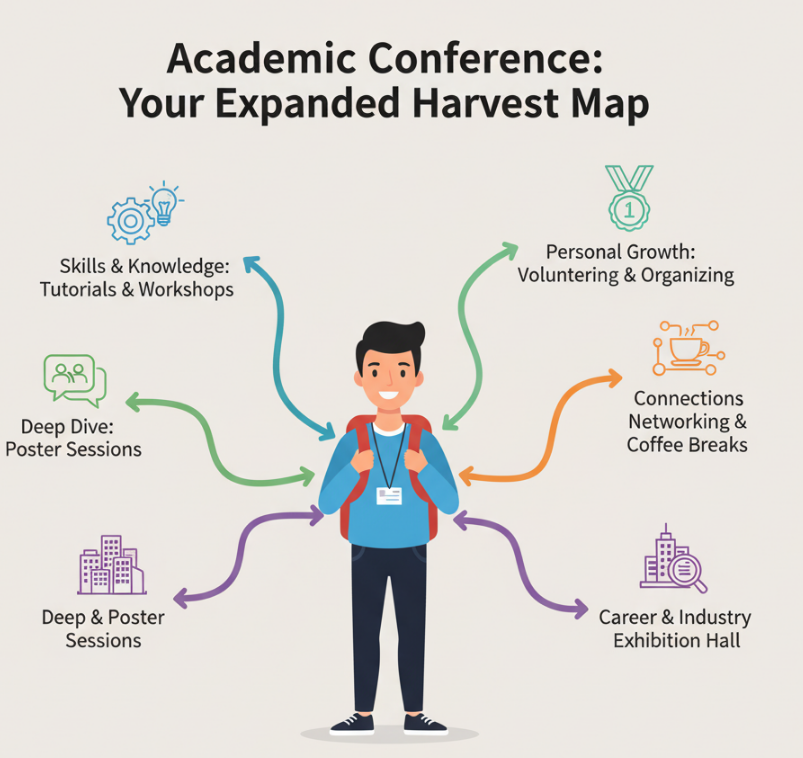
Access to Cutting-Edge Research: Be among the first to learn about new AI models, algorithms, and applications.
-
Networking: Connect with peers, leading researchers, and industry professionals from around the world.
-
Collaboration Opportunities: Find potential partners for research projects or open-source initiatives.
-
Learn New Skills: Many conferences offer workshops or tutorials on new open-source tools and techniques.
-
Influence the Field: Present your own work and contribute to the ongoing dialogue about AI's future.
Conclusion
The world of Artificial Intelligence thrives on collaboration and the open exchange of ideas. Whether you're interested in foundational research, practical applications, or the ethical dimensions of AI, attending "open AI conferences" provides unparalleled opportunities to engage with the vibrant global community, learn from the best, and contribute to the future of this transformative technology. Stay tuned to their official websites for calls for papers, registration details, and specific program announcements.